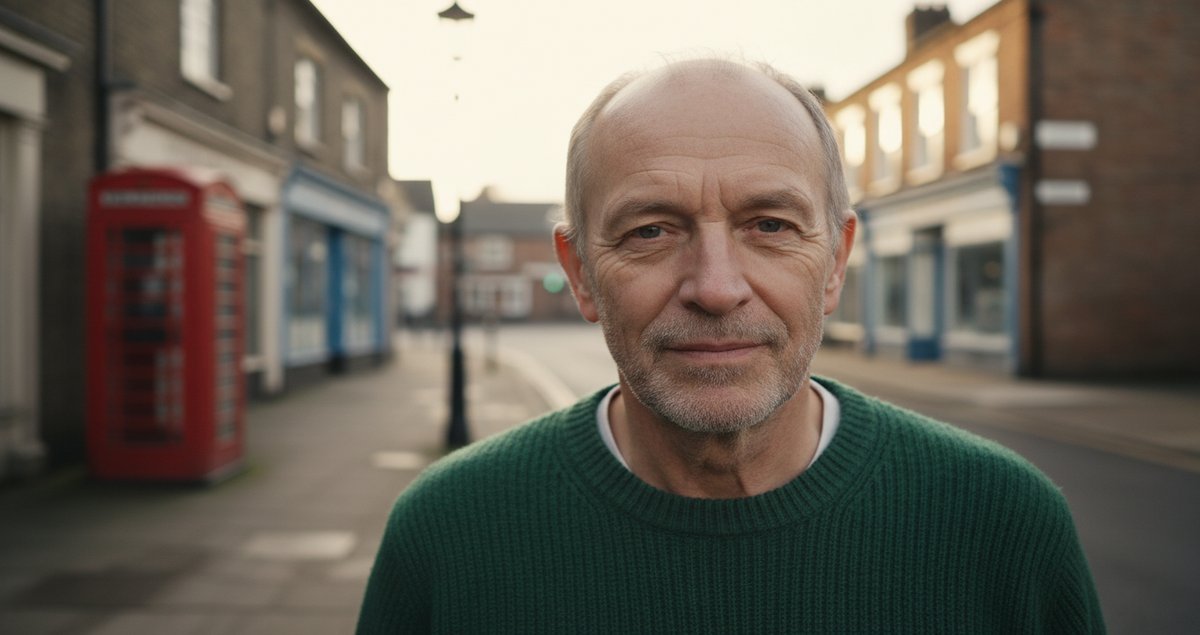
There is something oddly convincing about the way a person born in the late 1960s or early 1970s can receive bad news and then go and make a cup of tea as if the kettle itself will sort out fate. This is not a superstition. It is habit. It is practice. It is a private curriculum learned long before mindfulness was a marketable term. I have watched this pattern enough times to suspect it is less about temperament and more about training by circumstances.
What calmer looks like in ordinary moments
Calm is not the absence of feeling. It can be a small maneuver. A pause that buys room to decide rather than to react. Someone will listen to a complaint and describe the facts aloud as if cataloguing them into a ledger. That simple act of naming seems to starve panic. The person is not immune to worry. They just turn it into something manageable by separating it from the immediate hurly burly.
Not all resilience is heroic
We tend to celebrate the dramatic narrative of survival. But the quieter skill is to treat a problem like a tool inspection. Is it dangerous now Does it need fixing or can it wait Why does this matter Why am I feeling rattled This checklist is not taught on a weekend retreat. It arrives over time as a set of small decisions that accumulate into steadiness.
How the world shaped a different threshold for worry
People born in the 1960s and 1970s came of age when the world required different competencies. The means to resolve an issue were slower. Information was not instantaneous. A missed bill meant a letter a worrisome conversation not an alert. This slowness forced a habit of waiting and triangulating before acting. Waiting became a kind of resource.
I do not mean to romanticise scarcity. A lot of hardship is simply hardship. But repeated exposure to uncertainty teaches a practical arithmetic of consequences. If something can be fixed by tomorrow then tomorrow is better placed to deliver perspective. If a problem is immediate then it becomes a priority. This triage mentality keeps the nervous system from escalating every minor upset into a crisis.
Culture taught a certain reserve
It is easy to mistake emotional reserve for indifference. Often it is exactly the opposite. A restrained response protects relationships and reputations and sometimes the person themselves. Many in this cohort were raised with directness about obligations and a softer vocabulary for feelings. That combination produces calm that looks like modesty. It can look old fashioned. It can work in small practical ways.
Dr Crystal Saidi PsyD Psychologist Thriveworks says Resilience is not about sucking it up or pulling yourself up by your bootstraps It is the ability to recover adapt and grow through adversity Boomers learned this out of necessity.
Practical habits that lower the volume of panic
There are habits I see repeatedly that are not found in listicles about grit. One is what I call slow problem framing. A person will describe a difficulty to themselves as if sketching a map. Another habit is selective disclosure. Not every frown is shared. Withholding some concerns from public consumption prevents cascades of anxious feedback and often leads to more measured solutions.
Third is the small ritual. A brisk walk a cup of tea a quick call to an old friend. These acts do not fix the problem but they regulate the mind. They shift attention to immediate, solvable tasks rather than the hypothetical worst case. In short they convert a panic ready state into a working state.
Experience beats theory
The older you get the more distortions of probability you see. People born in the 1960s and 1970s carry a longer personal archive of problems solved problems that did not end in catastrophe and false alarms. This archive functions like prior knowledge in a Bayesian sense. When the new worry arrives it is judged against a library of outcomes. That comparison often shrinks the perceived threat.
Why younger people sometimes misread this calm
To younger eyes the lack of visible drama can be interpreted as complacency. It can look like detachment or denial. But more often it is a deliberate economy of emotional energy. There is only so much alarm one can afford. Choosing not to inflate every annoyance is a conserved resource for real emergencies.
There is also a generational mismatch in how information amplifies worry. Real time feeds aggregate small stories into a river of panic. The older cohort did not grow up in that current. Their default is less amplifying. So they are quieter. Sometimes that quiet is wise. Sometimes it hides avoidance. Both can be true.
The danger of misapplied stoicism
I must be frank. Not panicking is not the same as processing. Stoicism can shade into isolation. When keeping calm becomes a reflexive dismissal of support it becomes a problem in itself. I have talked with people who pride themselves on handling everything and then face a failure to ask for help until the problem is entrenched. Calm is a tactic not a creed.
Five small truths that explain the pattern
First truth is that habitual exposure to uncertainty builds tolerance. Second truth is that slower information environments taught delay as a virtue. Third truth is that chores and early responsibility trained practical problem solving. Fourth truth is that face to face communication honed negotiation skills that diffuse panic. Fifth truth is that lived experience provides a corrective to catastrophic thinking.
Expert perspective with a warning
Psychologists caution against overgeneralising. People vary widely even within a cohort. Yet the patterns are telling. There is a difference between a lifetime of small tests and a single dramatic trauma. Both shape us differently. Recognising the pattern helps us borrow the useful parts and leave the rest behind.
What they teach us if we pay attention
If you want to borrow their approach do not mimic the surface behaviours. Learn the underlying moves. Pause name the facts avoid premature amplification and choose an action window. Practice small rituals that reset attention. And if you are tempted to call that stoic reserve cold remember it often hides care and competence.
There is also a moral tangle here. Calm without empathy is useless. Calm that prevents help is a cruelty to the self. The healthiest variant is a calm that stays connected to others while holding a steady hand on the tiller.
Summary Table
| Observation | Why it matters | How it looks in practice |
|---|---|---|
| Slower information | Allowed time to triage reactions | Wait before replying to alarming news |
| Early responsibilities | Built confidence in solving small problems | Handle immediate tasks first then reassess |
| Face to face norms | Reduced public amplification of worry | Discuss problems privately then act |
| Accumulated experience | Provides context to judge threats | Compare new worries to past outcomes |
Frequently Asked Questions
Do all people born in the 1960s and 1970s respond calmly to problems
No. Generational tendencies are not deterministic. Many variables shape how a person responds including personality upbringing economic stability and trauma history. The tendencies described are patterns seen often enough to be noticeable but they do not apply to every individual. Think of them as tendencies rather than rules.
Is their calm simply denial or suppression
Sometimes calm can be a form of suppression but often it is pragmatic management. People from this cohort developed strategies to keep problems proportional. That said suppression without processing can cause problems later. The distinction matters. If emotions are shelved indefinitely the person may need help to unpack them at a suitable moment.
Can younger people learn this approach quickly
Certain elements can be practiced. Slowing down before reacting reframing a problem and creating small rituals that restore focus are learnable habits. What takes longer is the accumulation of lived evidence that reassures the nervous system. Habits help but time and experience consolidate trust.
Is this attitude harmful in a fast moving crisis
Calm is not the same as passivity. In a fast moving crisis a habit of quiet assessment can be beneficial if it is paired with decisive action when needed. Problems arise when assessment becomes procrastination. The useful variant of calm is that it includes rapid prioritisation followed by action. It is not a freeze response it is a focused response.
How do I tell if calm is helpful or harmful in someone I care about
Observe outcomes. Does their calm lead to problem solving and connection or does it lead to avoidance and loneliness If the former the pattern is adaptive. If the latter gently encourage disclosure and offer concrete help. Calm people often accept help if it is framed as practical assistance rather than emotional labour.
Are there cultural differences within this cohort
Absolutely. Where someone grew up their class and local community greatly influence how they learned to handle stress. British cultural norms of reserve for example intersect with generation to produce particular flavours of calm. These nuances mean the pattern looks different across regions and backgrounds.
There is a lot more to this than generational bragging rights. Calm is an assemblage of habit context and history. It can be wise and it can be brittle. Not panicking over small problems is a useful skill when it is coupled with curiosity about when a problem truly needs escalation.