How Childhood in the 60s and 70s Built Emotional Regulation That Still Works Today
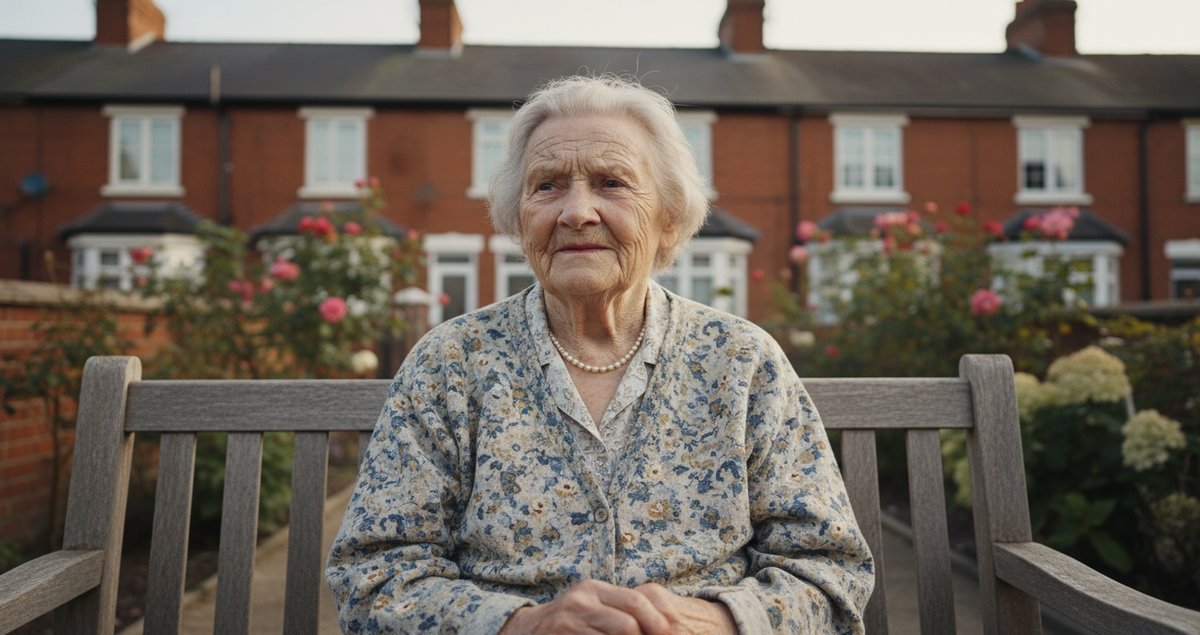
how-childhood-60s-70s-built-emotional-regulation

There is something quietly stubborn about a generation taught to queue, to make do, and to wait a turn. That generation learned emotional regulation not from glossy parenting manuals but from everyday constraint and odd kinds of freedom. This piece is not a nostalgic postcard. It is an attempt to examine how ordinary childhoods in … Read more


Neuroscience Explains How Growing Up in the 1960s and 1970s Shaped Stronger Focus

neuroscience-explains-growing-up-1960s-1970s-stronger-focus

There is a stubborn claim circling the dinner table and the school gate that people who grew up in the 1960s and 1970s can focus better. It sounds like nostalgia masking a personality trait. It is also worth listening to because modern neuroscience offers plausible mechanisms that make more than a sentimental argument. This piece … Read more

Why People Born in the 60s and 70s Really Do Seem to Handle Stress Better According to Psychology

why-people-born-in-the-60s-and-70s-handle-stress-better

There is a stubborn piece of conventional wisdom that people born in the 60s and 70s shrug at pressure differently. Call it old school calm, call it lived experience, call it generational mythmaking. This piece is an attempt to pin down why that impression exists and to push a few uncomfortable counterpoints into the light. … Read more

Psychologists Say People Born in the 1960s and 1970s Have Quiet Emotional Muscles Younger Generations Lack

psychologists-people-born-1960s-1970s-emotional-strengths

There is a particular tone to conversations with people born in the 1960s and 1970s. It is not grandstanding. It is a practical kind of steadiness born from patchy safety nets and fewer instant fixes. Psychologists are noticing patterns in emotional habits that feel rarer in younger cohorts. This piece argues those patterns are not … Read more

Why Psychologists Say 1960s–1970s Childhoods Built Stronger Frustration Tolerance

There is something stubbornly useful about the idea that an era can train a mind. Mention the 1960s and 1970s and people imagine vinyl records and faded photographs. I want to suggest a different image. Think instead of a slow living room where waiting was ordinary and solutions were invented because there was no instant … Read more